

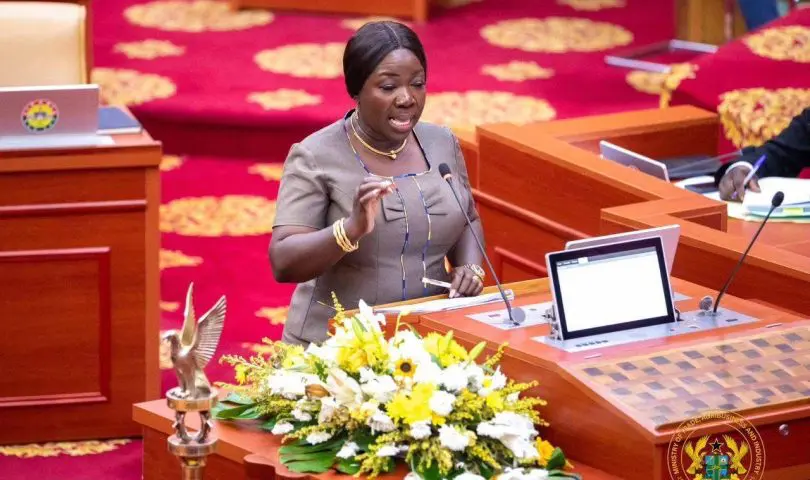

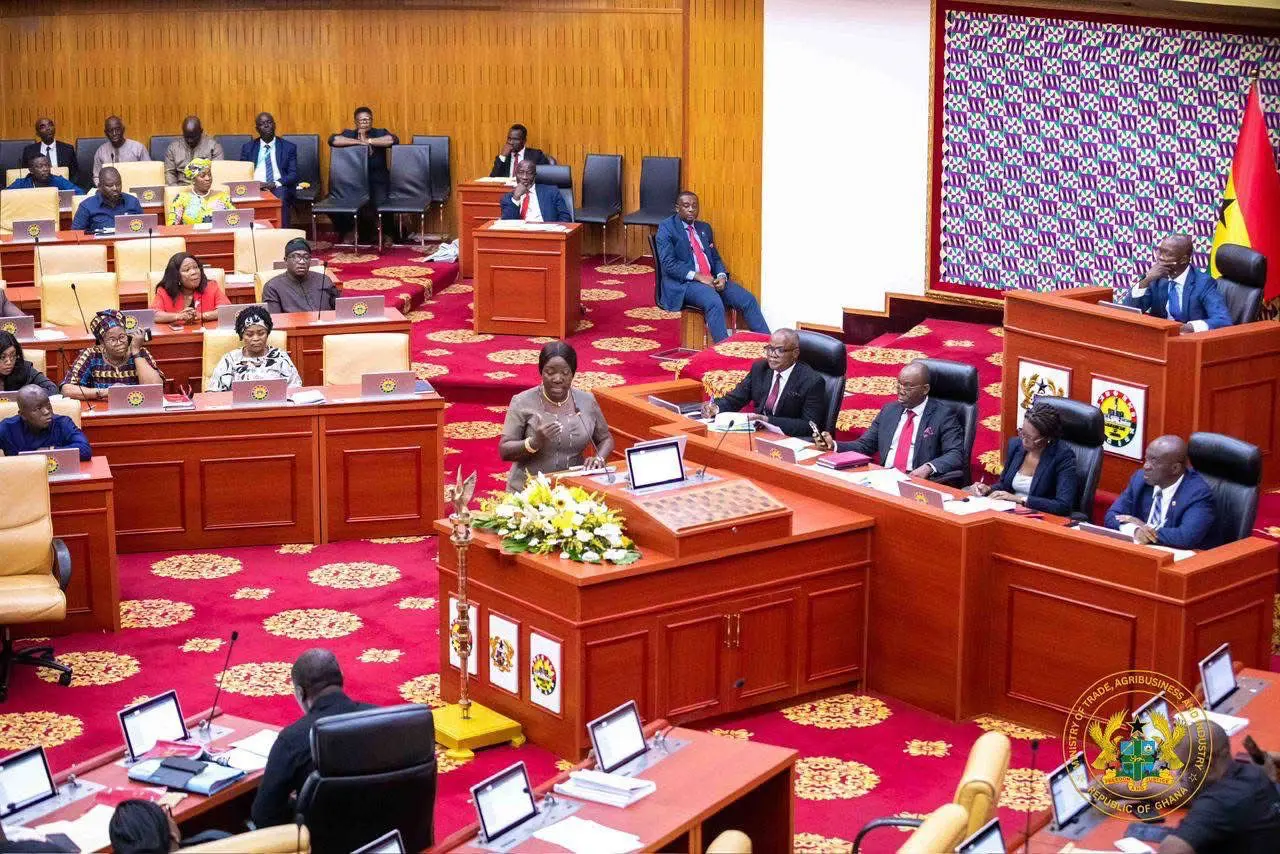
ACCRA, Ghana – The Ministry of Trade, Agribusiness and Industry is set to host a High-Level Agribusiness Forum on July 24, 2025, with President John Mahama expected to attend. The forum is a key part of efforts to finalize a comprehensive National Agribusiness Policy aimed at boosting industrial growth, according to the Minister, Elizabeth Ofosu-Adjare, who addressed Parliament on Tuesday, July 8, 2025.
The policy’s strategic focus is on developing local raw material sources to support agro-industrial production and reduce import reliance. As part of its implementation, agro-industrial zones are planned for Tamale, Salaga, and Kintampo North, with the Builsa Agro-Industrial Park designated under the Big Push Programme. Additionally, a 60,000-acre land in Yeji has been allocated for large-scale contract farming.
The Ministry is also cracking down on substandard cement producers. Ofosu-Adjare disclosed that the Ghana Standards Authority has intensified unannounced inspections, collecting 82 cement samples in April 2025 and conducting advanced surveillance using x-ray fluorescence between May 6 and 15. She warned that any substandard production would result in shutdowns and noted the deployment of over 300 new Trading Standards Inspectors.
Regarding agro-processing factories, the Mpraeso ENABLE Youth Banana Chips Factory, completed in 2023, has attracted three private sector proposals currently under review. The Walewale Watermelon Factory, under the 1D1F initiative and operated by Champion Foods and Beverages Limited, is nearing completion, having received GHS 50 million from the Ghana EXIM Bank, with an additional GHS 38 million for a supplementary juice production facility. The company is currently in China finalizing equipment procurement and is considering local juice production to reduce costs.
Mrs. Ofosu-Adjare assured Parliament that the new administration remains committed to private sector-led industrialization despite concerns about the 1D1F policy’s future, with incentive packages being developed. Other measures to boost private sector competitiveness include the Business Regulatory Reform Programme, Made-in-Ghana and Export Ghana Policies, and targeted support for MSMEs in key value chains. Special Economic Zones are also being developed to attract investment.
In a move towards gender empowerment, a Women in Trade, Agribusiness and Industry Policy is under development to support women in cross-border trade, offering tailored training, mentorship, and financial support through the Ghana Enterprises Agency, along with sensitization of border officials and female traders to enhance AfCFTA access. These initiatives underscore the government’s focus on a resilient, inclusive, and globally competitive industrial sector.

Ruth Abla ADJORLOLO
