

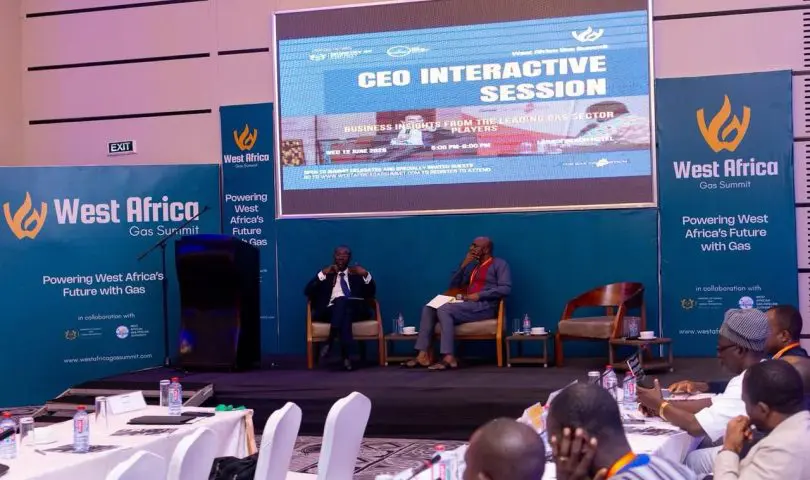

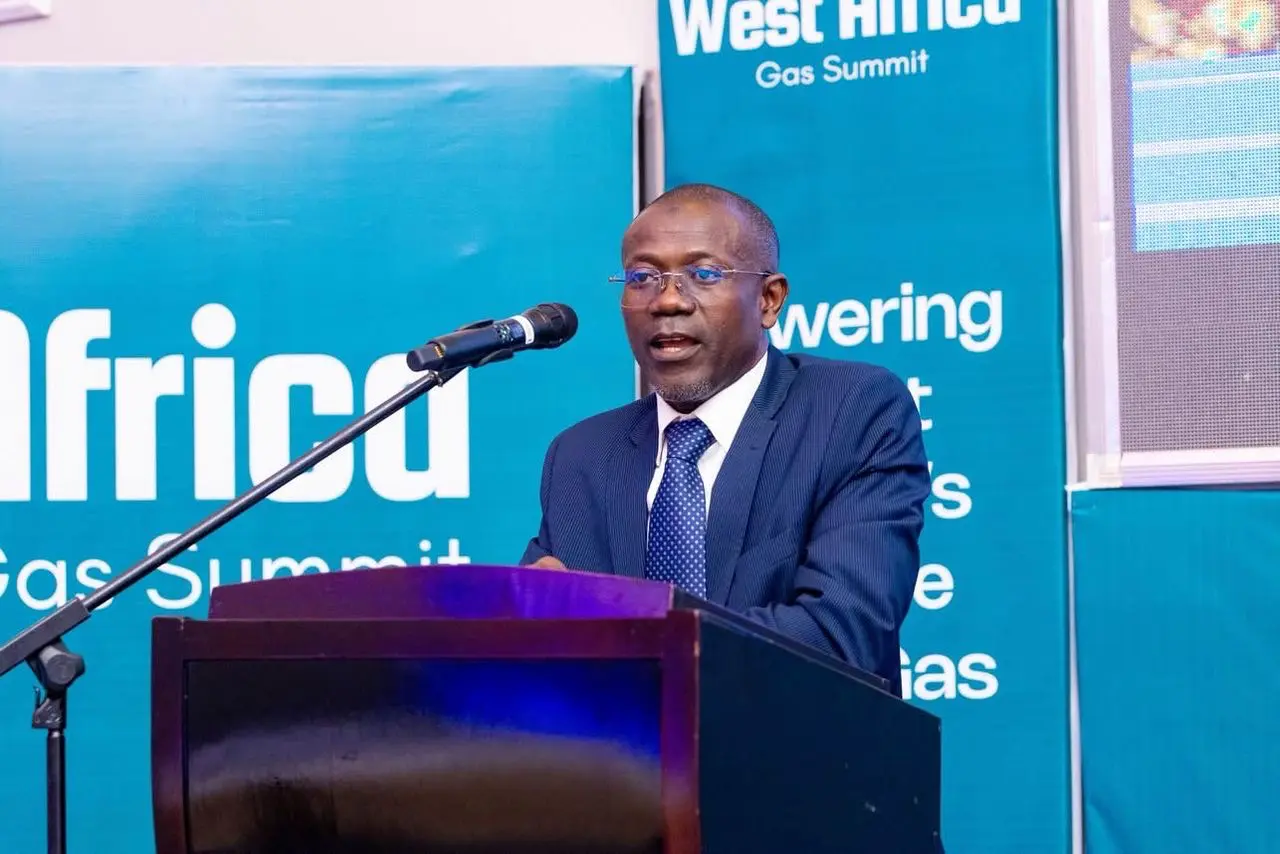
Accra, Ghana – The Ghana National Petroleum Corporation (GNPC) is charting a new course for energy transformation and regional integration, as it unveiled a forward-looking gas strategy at the 2025 West Africa Gas Summit in Accra. Hamis Ussif, Deputy Chief Executive Officer for Finance, Administration, and Commerce, articulated the corporation’s vision, emphasizing strategic partnerships and infrastructure investment to leverage natural gas as a “bridge to a more resilient, inclusive, and prosperous energy future for Ghana and the sub-region.”
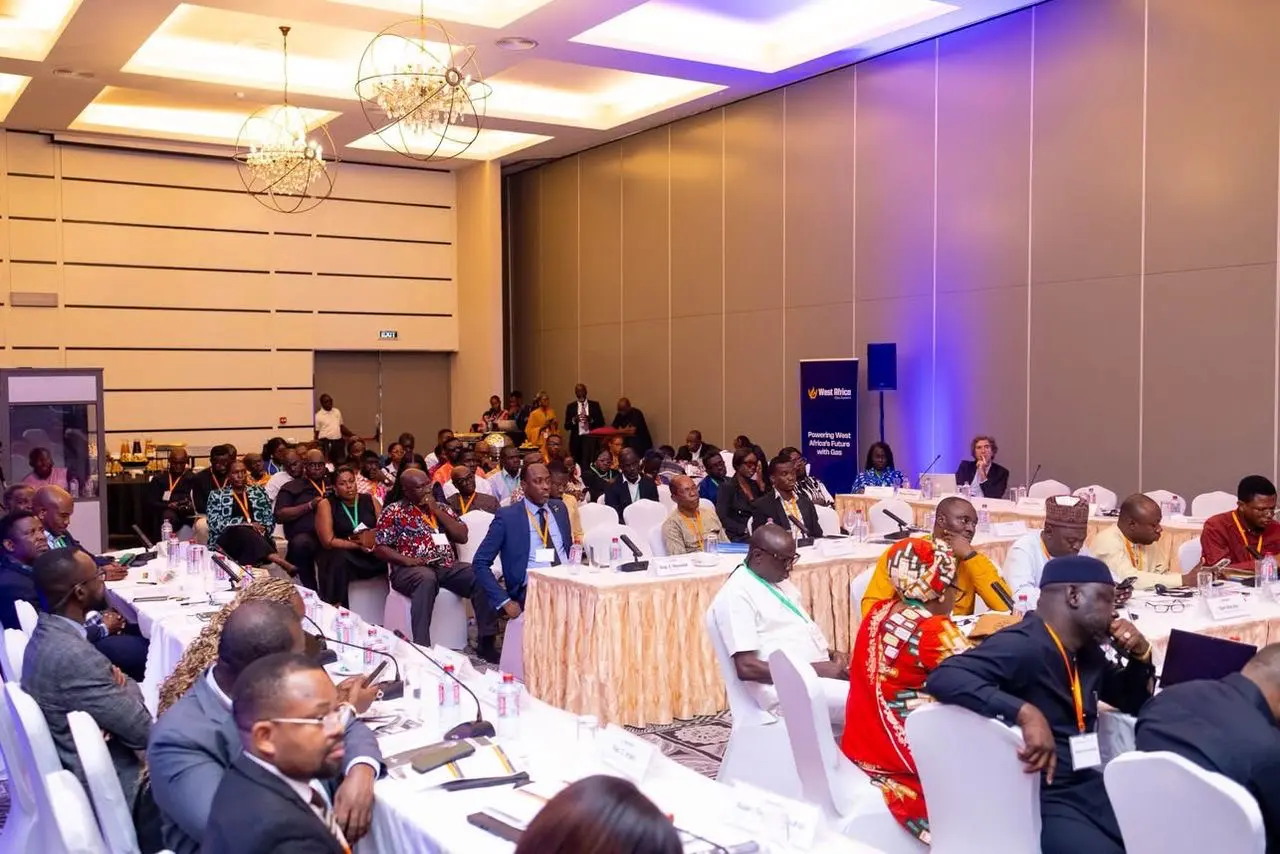
Ussif highlighted natural gas as the “unsung hero” of the energy narrative, powering industries, homes, and opportunities. He urged energy stakeholders and policymakers to recognize its immense potential for energy security and economic transformation. GNPC aims to become a globally respected oil and gas company that improves the quality of life for Ghanaians, with its growing gas portfolio crucial for domestic energy demands, industrialization, lower electricity tariffs, and Ghana’s ambition to become the sub-region’s energy hub.
Currently, Ghana’s natural gas supply averages 425 million standard cubic feet per day (MMscfd) from various fields and Nigerian imports, fueling about 70 percent of the country’s electricity. However, supply deficits persist, and demand is projected to rise. In response, GNPC is collaborating with partners to increase domestic production, with Jubilee field output expected to rise to 140 MMscfd and Sankofa field to 270 MMscfd by July 2025. Recognizing that these increases won’t eliminate the deficit, GNPC is also working to operationalize an LNG import terminal in Ghana by 2026 and intensify exploration in both offshore and the onshore Voltaian Basin.
GNPC’s role as a facilitator in the gas value chain was underscored by several key investments. Ussif cited the corporation’s $190 million financing of the Takoradi-Tema Interconnection Project (TTIP), which enabled reverse gas flow on the West African Gas Pipeline, enhancing domestic gas transportation flexibility and energy security. GNPC also provided crucial financial guarantees for the Sankofa Gas Project, supported the Atuabo Gas Processing Plant, facilitated the deployment and relocation of the Karpowership to utilize indigenous gas, and financed the 110-kilometer Prestea to Kumasi gas pipeline, laying groundwork for a third power generation enclave.
To further expand capacity and foster innovation, Ussif extended an invitation to private sector players for partnerships in upcoming projects, including domestic supply expansion from Jubilee, TEN, and Sankofa fields, construction of the Tema City Gate, and a Compressed Natural Gas (CNG) and gas distribution pipeline network for the Tema industrial enclave. He affirmed GNPC’s commitment to Ghana’s decarbonization goals and a just energy transition, aligning with national policy to support inclusive, equitable, and environmentally responsible economic transformation.
Ussif concluded with a call for collaboration and optimism: “Let us, together, unlock the immense potential of natural gas and light the way for millions across West Africa.”
Sankofaonline y
